Anti-bullying policies exist to protect children from intimidation, humiliation, harassment, and abuse. If we are serious about protecting girls, thos
Anti-bullying policies exist to protect children from intimidation, humiliation, harassment, and abuse. If we are serious about protecting girls, those policies should recognize the realities girls face because they are female.
1. No Girl Should Be Bullied for Being Female
Girls should never be mocked, excluded, threatened, or punished because of their sex. Sex-based insults, stereotypes, and intimidation should be treated as bullying.
2. Girls Have the Right to Sex-Based Privacy
No girl should be ridiculed, coerced, or ostracized for wanting privacy in spaces such as changing rooms, restrooms, overnight accommodations, or medical settings.
3. Girls Have the Right to Set Boundaries
A girl’s “no” should never be treated as bullying. She should be free to establish personal, physical, and emotional boundaries without fear of retaliation or social punishment.
4. Girls Should Never Be Bullied Into Silence
Girls must be able to express concerns, report misconduct, or describe their experiences without being labeled hateful, intolerant, or disruptive simply for speaking honestly.
5. No Girl Should Face Sexual Harassment
Schools should have zero tolerance for unwanted sexual comments, touching, intimidation, threats, rumors, or online harassment directed at girls.
6. Girls Should Be Protected from Retaliation
Any girl who reports bullying or harassment should be protected from retaliation by peers, adults, or institutions. Reporting harm should never create more harm.
7. Girls Should Not Be Pressured to Surrender Their Rights
Anti-bullying policies should never require girls to give up privacy, safety, or equal opportunities in order to avoid accusations of prejudice. Respect for others and respect for girls’ rights should coexist.
8. Girls Should Be Protected in Athletics
Every girl deserves an athletic environment free from intimidation, hazing, harassment, threats, or coercion. Competition should never become an excuse for personal abuse.
9. Black Girls and Other Vulnerable Girls Deserve Equal Protection
Schools should recognize that Black girls, disabled girls, girls in foster care, and other vulnerable populations are often disciplined more harshly and protected less consistently. Equal protection requires equal attention.
10. Adults Must Model Civil Disagreement
Children should never become targets because adults disagree about public policy. Schools should teach that disagreement does not justify ridicule, harassment, or dehumanization.
11. Bullying Must Be Defined by Conduct, Not Disagreement
Disagreement, respectfully expressed, is not bullying. Bullying involves intimidation, harassment, threats, humiliation, coercion, or repeated conduct intended to harm another child.
12. Every Girl Deserves Equal Dignity
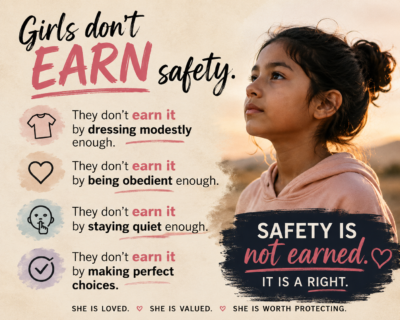
No girl should have to earn protection by being popular, compliant, politically useful, or ideologically approved. Every girl deserves safety, respect, and the freedom to learn without fear of being targeted.
A society demonstrates its values by the children it protects. Anti-bullying policies should ensure that every girl can learn, compete, speak, and grow without intimidation, while also affirming that every child deserves to be treated with dignity and free from harassment.
Affirmation:
Our girlhood is not a battleground. We deserve safety before we prove strength, dignity before we earn approval, and protection that does not disappear when our lives become politically inconvenient.