The Ultimate Guide to Mandated Reporting Laws in All 50 US States: Child & Adult Abuse/Neglect In the world of schools, sports, and childcare, yo
The Ultimate Guide to Mandated Reporting Laws in All 50 US States: Child & Adult Abuse/Neglect
In the world of schools, sports, and childcare, you might hear the term mandated reporter tossed around. While the title sounds a bit formal and perhaps a little intimidating, it’s actually a vital safety net designed to protect children. Somewhere around the 1960’s there was a movement to shift thinking around child safety from a “private family matter” to being more open and transparent.
Kind of like the “if you see something, say something” thing we have going on today. 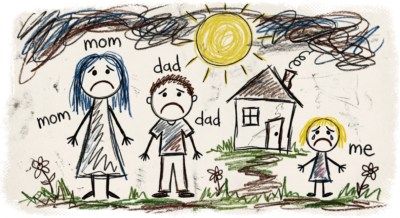
Children are safer when people on the front lines, first line witnesses to signs, speak up.
Here is a breakdown of what it means, who is involved, and why it matters for children.
What is a Mandated Reporter?
A mandated reporter is an individual who is legally required by law to report any suspicion of child abuse or neglect to the proper authorities (such as Child Protective Services or law enforcement).
Unlike a casual observer, these professionals don’t have the “option” to stay out of it. If they have a reasonable cause to believe a child is at risk, they must file a report.
Who Falls Into This Category?
Most people who work closely with children are mandated reporters. This typically includes:
Educators: Teachers, principals, and school staff.
Healthcare Providers: Doctors, nurses, and therapists.
Childcare Workers: Daycare providers and camp counselors.
Coaches: Both school-affiliated and often community league coaches.
Clergy members and Law Enforcement.
How the Process Works
It’s important to understand that a mandated reporter is not an investigator. Their job isn’t to prove that something happened; it is simply to flag a concern so that professionals can look into it.
Observation: The professional notices signs of potential physical, emotional, or sexual abuse, or signs of neglect.
The Report: They contact a state hotline or local agency to provide the facts they have observed.
Confidentiality: In most states, these reports are confidential to protect the reporter and the family’s privacy during the process.
Why This is a Good Thing
While the idea of a “report” can feel scary to parents, mandated reporting laws are built on the principle of early intervention.
It’s a Safety Net: It attempts to ensure that children who cannot speak for themselves have advocates looking out for them.
Access to Resources: Sometimes, a report of neglect leads to a family getting much-needed support, such as food assistance, medical care, or mental health services. (Having been on the front lines, I have seen this make a difference.
A teacher noticed that one of her students who had recently immigrated to the country with her mother was drawing disturbing drawings. I began working with the family as an advocate. The teacher’s sharp observations were on point. The American step-father of the girl was abusing her.
Since the mother was highly educated and had only encountered danger here in the United States, she wanted to take her daughter and leave, but the laws in our country would not allow that.
At that point the organization that I was working for worked to gather food and other resources for the mother and child. Mom found it difficult to work. Between the abuse of herself and her child, her mental health was destroyed by her abusive husband.
RECANT: She Just Wanted Her Life Back – WESurviveAbuse
Standardized Protection: It takes the “guesswork” out of a professional’s hands, ensuring that concerns are handled by experts rather than ignored.
A Note for Parents
If a teacher or coach ever mentions they are a mandated reporter, they aren’t “watching” you or trying to catch you in a mistake. They are simply following a legal and ethical duty to ensure that every environment your child enters is as safe as possible.
The goal is always the same: the well-being and safety of the child.
The Ultimate Guide to Mandated Reporting Laws in All 50 US States: Child & Adult Abuse/Neglect