Parents are doing more right than they are often given credit for.Many parents today are paying attention. They are listening to their childr
Parents are doing more right than they are often given credit for.
Photo by Cup of Couple
Many parents today are paying attention.
They are listening to their children.
They are teaching boundaries earlier.
They are questioning situations that once went unquestioned.
They are no longer assuming that “familiar” automatically means “safe.”
That matters.
And it’s why this moment can feel so frustrating.
Because even as parents grow more vigilant, there is still a loud reflex in the world that shows up whenever harm is named:
“Not this person.”
“It couldn’t be them.”
“Surely not here.”
This response is often framed as fairness, calm, or “reason”. But what it actually protects is comfort. And comfort has never been the same thing as safety.
Parents Understand This Instinctively
Parents know something important that society often resists admitting:
Harm is not about a special kind of person.
Harm is about behavior and choice.
That understanding doesn’t come from cynicism. It comes from responsibility.
Parents teach children every day that actions matter. That rules apply even when someone is liked. That boundaries don’t disappear just because a person is trusted or respected.
Because you know this truth already:
Safety does not come from assuming goodness.
It comes from paying attention.
This Is Not About Accusing Everyone
Acknowledging that all humans are capable of harm is not an accusation.
It is a grounding reality.
It helps us focus on:
- Patterns instead of personalities
- Conduct instead of charisma
- Impact instead of intention
- Evidence instead of image
This clarity is what allows parents to teach children discernment rather than fear.
You are not telling children to mistrust the world.
You are teaching them how to read it.
Why “Not This Person” Can Be Risky
When people rush to say “not this person,” something important gets lost.
The conversation stops being about safety and starts being about loyalty.
And loyalty, when it replaces accountability, creates blind spots.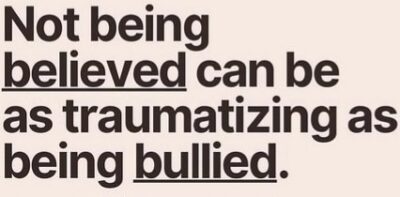
Blind spots are where harm goes unnoticed.
Blind spots are where children learn to doubt themselves.
Blind spots are where warning signs are explained away instead of examined.
Parents sense this immediately. That quiet feeling of “something isn’t right” is not paranoia. It is protective intelligence.
What a Protective Culture Actually Sounds Like
A protective culture doesn’t panic.
But it also doesn’t pre-defend.
It says:
We will look carefully.
We will listen fully.
We will assess behavior.
We will not decide innocence or impossibility before understanding what happened.
This approach teaches children that their observations matter. That questions are allowed. That safety is built through honesty, not silence.
What Parents Are Doing Right
Parents today are:
Having earlier conversations about boundaries
Teaching children that discomfort is information
Letting kids know they can speak up without getting in trouble
Modeling that trust does not mean blind trust
These are not small things. These are generational shifts.
Lines to Carry With You
Harm is behavior, not a type of person.
Loyalty should never outrank a child’s safety.
Truth does not need reputations defended in advance.
Paying attention is not suspicion. It is care.
Teaching discernment is a gift, not a burden.
Parents are not overreacting.
They are responding to reality with love, wisdom, and courage.
And that is how children stay safer.