Jordan Walker says he wants to see more Black children in sports.Yes. Me too.And I want us to understand what that requires.It takes more
Jordan Walker says he wants to see more Black children in sports.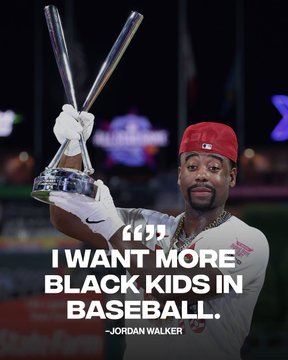
Yes. Me too.
And I want us to understand what that requires.
It takes more than telling children to dream big. It takes safe fields, open gyms, working equipment, transportation, caring coaches, and programs their families can actually afford.
I want more funding for sports, music, dance, art, theater, chess, gardening, technology, and every healthy after-school activity that gives children somewhere meaningful to go. These spaces are not extras.
They are where children discover strength they did not know they had. They learn how to lose without losing themselves. They practice discipline, teamwork, patience, leadership, and courage. They meet mentors who may recognize their gifts before the world does. They build friendships that can last a lifetime.
Most of all, they find belonging.
Every child deserves a place where someone notices when they arrive, encourages them while they grow, and misses them when they are absent.
More Black children in sports means investing in Black children before they become stars. It means believing their health, joy, confidence, and development are worthy of public investment whether they ever win a trophy or not.
This is not wishful thinking. Research has repeatedly shown that strong after-school programs can support children’s academic progress, physical health, confidence, friendships, emotional development, and connection to school.
They can also give children safe, supervised places to spend their afternoons while strengthening the relationships and sense of belonging that help communities thrive.
But access cannot depend entirely on whether a family can afford registration fees, transportation, uniforms, instruments, or equipment.
When we fund sports, recreation, music, dance, art, theater, mentoring, and other youth activities, we are not paying for extras. We are investing in protection, development, health, friendship, and possibility.
And as we expand these opportunities, we must preserve the legacy of Title IX. Girls, too often overlooked and underfunded, deserve meaningful opportunities to train, compete, belong, and discover their own strength.
A community that invests in its children is not merely keeping them occupied after school.
It is helping them build a life.
A special note about girls:
As we invest in more opportunities for Black children, we must also preserve the legacy of Title IX so the children who were born girls can fully participate too.
Girls deserve fields, courts, teams, scholarships, coaching, competition, safety, and room to grow. Title IX helped open doors that had been closed to generations of girls and women. That progress should not be treated as finished, automatic, or disposable.
Black girls deserve to be seen in this conversation. They have long faced fewer resources, less protection, and less encouragement, even while carrying enormous talent and determination.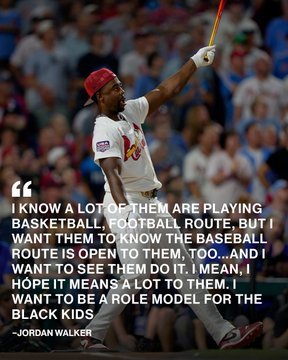
Preserving Title IX is not about excluding children from joy. It is about making sure girls are not asked to surrender the very opportunities generations before them fought to create.
Let the boys play.
Let the girls play.
And let us fund both with seriousness, fairness, and care.