What happened to 16-year-old Minnijean Brown-Trickey, and what every adult should learn about protecting children.She was sixteen years old.Ol
What happened to 16-year-old Minnijean Brown-Trickey, and what every adult should learn about protecting children.
She was sixteen years old.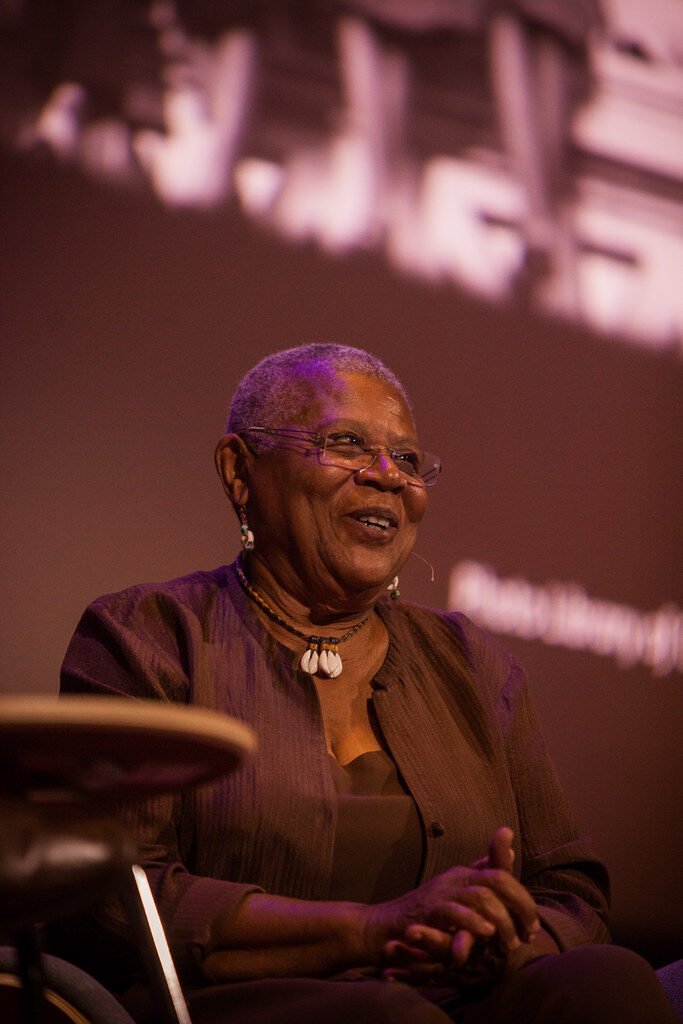
Old enough to understand that people hated her because she was a Black girl, but still young enough to deserve the protection, guidance, and care that adults owe children.
Her name was Minnijean Brown, and in 1957 she became one of nine Black students who integrated Little Rock Central High School in Arkansas.
We remember the Little Rock Nine for their extraordinary courage. We should also remember how much courage adults required of children simply trying to attend school.
And in Minnijean’s case, there is another part of the story that deserves our attention.
When the harassment continued and she finally responded, the school punished her.
1. A Girl Walked Into a School Where Adults Knew She Was in Danger
The Little Rock Nine entered Central High School during a national confrontation over school desegregation.
Arkansas Governor Orval Faubus initially used the National Guard to prevent the Black students from entering. Angry white crowds gathered outside the school. President Dwight Eisenhower eventually sent federal troops to enforce integration.
But getting the students through the doors did not mean they were safe inside.
The Black teenagers faced threats, insults, humiliation, and physical harassment. They were expected to continue their education while navigating hostility that many adults were unwilling to stop.
Imagine sending your daughter to school knowing she might be threatened before she even reached her classroom.
Now imagine expecting her to remain composed through all of it.
2. Minnijean Was Expected to Endure What Other Students Were Allowed to Inflict
Minnijean endured repeated racist harassment.
In December 1957, she was suspended after dumping a bowl of chili on white boys who had been harassing her in the cafeteria. Accounts differ on whether the spill was entirely deliberate, but the incident became part of the disciplinary record against her.
She returned to school.
The harassment continued.
In February 1958, Minnijean responded verbally after another incident involving a white student’s purse. School officials expelled her.
The punishment did not fall equally on everyone involved.
This is where adults need to pay attention.
A child had been subjected to repeated hostility, yet the institution increasingly focused on her reactions.
When a child is repeatedly mistreated, adults cannot responsibly examine the final reaction while ignoring everything that came before it.
3. The School Had Rules. But Where Was the Protection?
Schools need rules. Children need guidance, and adults have a responsibility to address harmful behavior.
But rules are not automatically fair simply because they are written down.
A school that tells a child not to retaliate must also provide meaningful protection from the behavior the child is being told to tolerate.
Otherwise, the child is left with an impossible arrangement.
She must continue attending. She must obey the adults. She must not respond to harassment. And she must somehow manage the harm that the adults have failed to prevent.
Minnijean’s experience raises a question that every school administrator, teacher, and parent should be willing to answer:
What protection did the child receive before adults demanded that she control her response?
That question belongs in conversations about bullying today.
4. Children Notice Who Gets Punished
Children are remarkably observant about fairness.
They notice when one student repeatedly provokes another and receives little consequence. They notice when adults excuse cruelty as teasing but describe a distressed child’s response as disrespect.
They also notice which children are expected to be endlessly patient.
Sometimes the lesson children take away is not the one adults intended.
Instead of learning that harassment is unacceptable, they learn that reporting it may accomplish very little. They may begin believing that the safest choice is to remain silent.
And silence is a dangerous lesson to teach children who need to recognize mistreatment and seek help.
A child should be able to trust that asking an adult for protection will lead to more than another instruction to ignore the problem.
5. Before Punishing a Child’s Response, Ask These Questions
When a child lashes out, withdraws, refuses to participate, or becomes unusually angry, adults should investigate the circumstances rather than immediately assuming they understand the behavior.
Five questions can help:
- What happened before the child’s reaction? We can ask about the events leading up to the incident, including any repeated harassment or threats.
- Has this child asked for help before? Review previous complaints, reports, and attempts to seek protection.
- Were the rules enforced consistently? Examine whether the children involved received fair and proportionate treatment.
- Does the child feel safe returning to the environment? Ask privately, without pressuring the child to minimize what happened.
- What will adults change to prevent this from happening again? A disciplinary decision without a meaningful safety response may leave the original problem untouched.
These questions do not excuse every reaction. They help adults respond to the whole situation rather than the most visible moment.
6. A Child Should Not Have to Be Extraordinary to Deserve Protection
Minnijean Brown-Trickey went on to continue her education in New York. As an adult, she became an educator and civil rights advocate.
Her life is a remarkable example of courage and perseverance.
But there is something we must be careful about when telling stories like hers.
We can admire her resilience without celebrating the conditions that made such resilience necessary.
She was a child.
She should have been able to attend school, make friends, study, and enjoy the ordinary experiences of adolescence without facing racist hostility.
And when she needed help, the adults around her should have been prepared to protect her.
We cannot undo what happened at Little Rock Central High School. But we can examine what it teaches us about the children in our care today.
A child’s distress is not an inconvenience to be managed before adults return to business as usual. Sometimes it is information about a problem adults have failed to address.
And every child deserves adults willing to listen.
Words Every Child Deserves to Hear
“You can tell me when someone is mistreating you. I will listen to what happened before deciding what needs to happen next. You deserve protection, even when you are upset. We will work together to find a safer way forward.”