“Not this person” is often said quickly, confidently, sometimes with good intentions.But when it comes to child safety, that phrase has a long
“Not this person” is often said quickly, confidently, sometimes with good intentions.
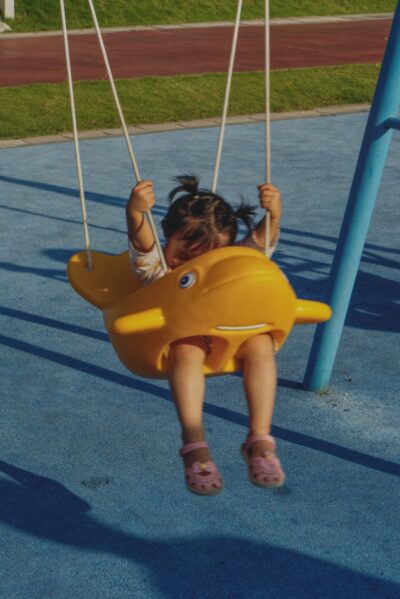
Photo by Loegunn Lai
But when it comes to child safety, that phrase has a long and documented history of doing harm.
Especially to children who already face barriers to being believed.
Here’s why.
1. It Pre-Decides the Outcome Before a Child Is Heard
When adults decide someone is incapable of harm, children’s disclosures are filtered through disbelief.
For children with special needs who may communicate differently, take longer to explain, or rely on support to be understood, this is devastating.
A child should not have to be eloquent to be protected.
2. It Teaches Children That Reputation Matters More Than Truth
Children learn quickly what adults reward and what adults dismiss.
When they see adults defend a person before listening, they learn:
speaking up causes trouble
silence is safer
truth is negotiable
This lesson lands hardest on children who already struggle to advocate for themselves.
3. It Creates Untouchable Adults
“Not this person” turns adults into exceptions.
Exceptions become blind spots.
Blind spots become access.
Access without scrutiny is where harm hides longest.
Children with disabilities are disproportionately harmed by people with ongoing, trusted access.
4. It Delays Intervention When Time Matters Most
Child protection depends on speed.
Hesitation framed as fairness often means:
warning signs ignored
patterns missed
harm continuing
Children with special needs are often harmed repeatedly before action is taken, precisely because adults wait too long to believe.
5. It Confuses Familiarity With Safety
Children are most often harmed by people they know.
Parents, caregivers, teachers, aides, clergy, family friends.
“Not this person” relies on familiarity as proof of safety.
But familiarity has never been a safety measure.
6. It Raises the Burden of Proof for the Child
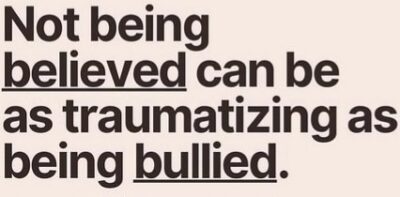
Instead of adults asking, “What happened?”
The child is forced to prove it happened.
Children with speech delays, cognitive differences, or trauma responses are rarely given the patience or accommodations this requires.
The system fails them quietly.
7. It Protects Systems, Not Children
Schools, churches, programs, families, and institutions often deploy “not this person” to avoid disruption.
But systems exist to serve children.
Not the other way around.
When systems protect themselves first, children pay the price.
8. It Discourages Future Disclosures
Children watch what happens to the first child who speaks.
If they see doubt, minimization, or defense of the adult, they learn not to try.
For children with special needs, this silence can last a lifetime.
9. It Treats Harm as a Personality Issue Instead of a Behavior Issue
Harm is behavior.
Harm is choice.
Harm is action.
When we frame harm as something only “bad people” do, we miss the reality that harm often comes from people who look trustworthy.
Children are protected when behavior is examined, not when people are pre-cleared.
10. It Asks Children to Carry Adult Comfort
“Not this person” often means:
don’t disrupt
don’t accuse
don’t make this hard
Children, especially vulnerable children, should never be tasked with preserving adult comfort.
That is not care.
That is abandonment dressed as calm.
Lines to Remember
Children do not need adults to be certain. They need adults to be careful.
Reputation has never been a safety plan.
Children with special needs are harmed most when adults rush to defend.
Looking closely is not suspicion. It is protection.
Harm is behavior and choice, not a personality.
If we want children to be safe, we must stop asking who someone is and start asking what is happening.
That shift saves lives.
10 Non-Negotiable Boundaries All Children Have a Right to Set