Language Is a Safety Tool, Not a Technicality Adults do not “have sex” with children. They sexually abuse children.They rape children.They exploit c
Language Is a Safety Tool, Not a Technicality
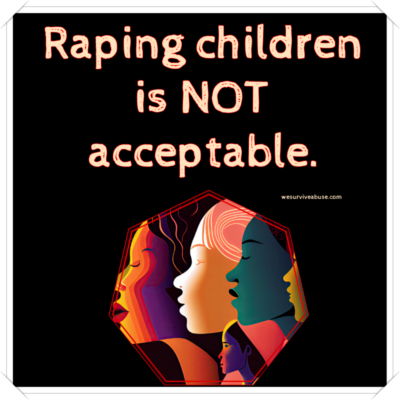
Adults do not “have sex” with children.
They sexually abuse children.
They rape children.
They exploit children.
The words we choose are not neutral. They shape how danger is recognized, how responsibility is assigned, and how Survivors learn to understand what happened to them.
When language blurs harm, harm spreads.
Why This Distinction Matters
Children are not capable of consent.
People with disabilities that impair judgment are not capable of consent.
People who have been groomed, coerced, isolated, threatened, or conditioned are not participating freely.
Yet language often tells a different story.
Phrases like:
“Had sex with a minor”
“Underage relationship”
“They knew what they were doing”
“It was consensual at the time”
These phrases quietly move responsibility away from the adult and onto the child.
That is not accidental.
That is cultural training.
Grooming Does Not Create Consent
Grooming is not mutual attraction.
It is not curiosity gone too far.
It is not a child “choosing” an adult.
Grooming is a strategy.
It relies on:
Authority differences
Age gaps
Access and trust
Emotional dependency
Manipulation of curiosity and affection
Gradual boundary erosion
A child can believe they agreed and still have been abused.
Belief does not equal consent.
Compliance does not equal consent.
Silence does not equal consent.
Why Survivors Need Accurate Language
Many Survivors do not begin healing until language finally tells the truth.
When the world calls abuse “sex,” Survivors internalize shame.
When the world calls exploitation a “relationship,” Survivors question their reality.
When the world centers the adult’s reputation, Survivors learn to minimize harm.
Clear language gives Survivors something priceless:
Clarity without blame.
It allows them to say:
“What happened to me was not my fault.”
“My body responded, but I did not consent.”
“I was harmed, not complicit. Maybe it wasn’t my fault?”
Language Is a Protective Skill
Children, Survivors, and people with cognitive or emotional vulnerabilities learn how to read danger through language.
If we say:
“Sex with a child”
We teach confusion.
If we say:
“Sexual abuse of a child”
We teach recognition.
If we say:
“They were involved”
We teach silence.
If we say:
“An adult chose to harm”
We teach accountability.
What RosasChildren Stands For
We stand for truth that protects.
We stand for language that:
Names harm accurately
Places responsibility where it belongs
Helps children recognize danger early
Helps Survivors reclaim their reality
Refuses to romanticize exploitation
Refuses to intellectualize violence
This is not about being harsh.
This is about being precise.
Precision saves lives.
A Cultural Shift We Can Make Right Now
We can choose better words today.
We can stop repeating phrases that normalize harm.
We can correct language gently and firmly.
We can teach children the difference between attention and safety.
We can speak in ways that leave no confusion about who is responsible.
Adults do not “have sex” with children.
They abuse them.
And when we tell the truth clearly, we make it easier for children to be protected, for Survivors to heal, and for predators to lose the cover language gives them.
At RosasChildren, we choose words that guard life.